Enhance Sales With Made-to-Order Produce Boxes: Attract Customers With Unique Designs
In a tough market, enterprises increasingly acknowledge the value of custom produce boxes. Original patterns not only capture attention but also boost brand identity. By employing vibrant colors and modern artwork, firms can build relationships with buyers on an affective level. This strategic approach can lead to greater purchase intent and brand loyalty. However, the success of these designs can fluctuate considerably. What considerations truly shape the impact of custom packaging on sales?
Custom Produce Boxes: Indispensable for Business Growth
Custom produce boxes are essential for businesses looking to enhance their brand identity and client satisfaction. These boxes serve as a tangible representation of a firm's identity, assisting in differentiate products in a crowded market. By incorporating unique designs and colors, companies can grab focus and make a memorable impact.
Additionally, tailored boxes provide practical advantages, making certain that produce stays fresh and protected during transit. Tailoring the dimensions and structure to particular items helps reduce surplus and optimize space management. Moreover, quality packaging can relay important information, like handling instructions and nutritional details, fostering consumer confidence and delight.
The aesthetic appeal of custom produce boxes can also encourage repeat purchases, as customers often link attractive packaging with quality. Ultimately, investing in custom packaging not only strengthens brand image but also improves the overall shopping experience, making it a crucial aspect of business strategy in the competitive produce market.
Choosing the Right Components for Your Produce Boxes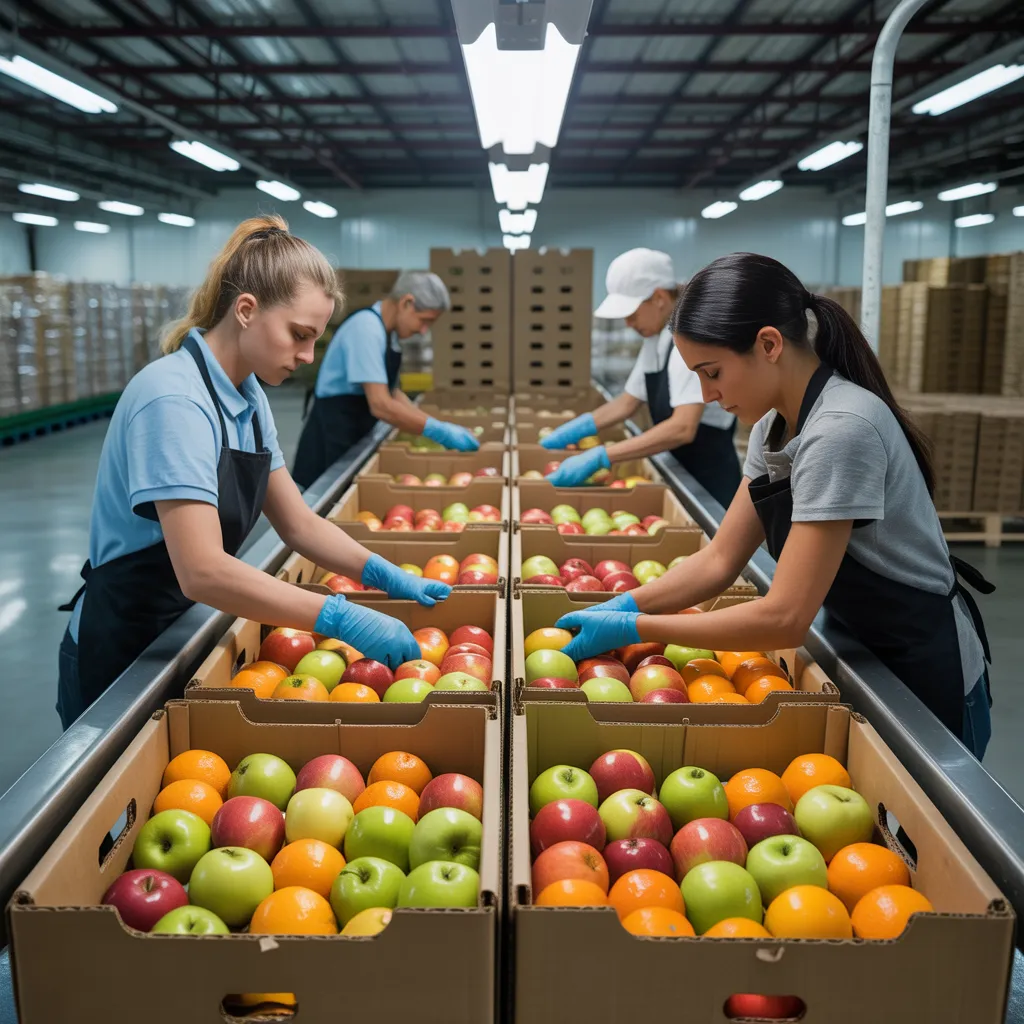
Selecting appropriate components for distribution containers is vital for confirming product integrity and sustainability. Durable materials like corrugated cardboard are preferred alternatives due to their robustness and light-weight nature, which help defend fresh produce during conveyance. Additionally, environmentally friendly alternatives such as recycled paper or plant-based plastics appeal to ecology-focused consumers, enhancing brand image.
The choice of substances can also impact the box's insulation properties, vital for preserving ideal temperature and quality. Ventilation is an additional element; vented boxes can assist in reducing humidity accumulation, avoiding spoilage.
Furthermore, the print options of various materials should be taken into account, as custom designs can attract customers. Ultimately, a balance between functionality, sustainability, and aesthetic appeal will determine the success of produce boxes in capturing consumer interest. By thoughtfully choosing materials, businesses can ensure their products remain fresh while aligning with eco-friendly practices.
Leading Design Advice for Developing Visually Appealing Produce Boxes
Within the landscape of bespoke packaging for produce, appreciating color psychology can considerably elevate presentational charm and consumer engagement. Also, deploying innovative typography techniques can powerfully communicate brand character and product information. Working together, these dimensions forge a magnetic design that commands recognition and drives sales.
Color Psychology Essential Elements
Color psychology serves as a key element in creating attention-grabbing produce boxes that successfully draw consumers. Varied colors trigger specific emotions and associations, affecting purchasing decisions. For example, vibrant reds and yellows can boost appetite and draw attention, making them suitable for fresh produce. The color green, commonly associated with health and nature, reinforces the organic qualities of fruits and vegetables. In contrast, blues and purples can convey trust and quality, appealing to more particular shoppers. Using contrasting colors can boost visibility, ensuring the boxes become prominent on shelves. Moreover, grasping cultural interpretations of color is essential, as meanings can vary significantly. By strategically choosing colors, brands can produce compelling packaging that connects with consumers and boosts sales.
Cutting-Edge Typeface Practices
Effective font usage can greatly enhance the visual appeal of produce boxes, while complementing the strategic use of color. By selecting fonts that reflect the brand's personality, designers are able to create a strong identity. For instance, lively, rounded typefaces may attract a younger audience, whereas elegant serif fonts can appeal to a more elegant demographic. Furthermore, varying font sizes and weights can create a hierarchy, guiding customers' eyes to key information. Including custom lettering or hand-drawn elements adds uniqueness, making the packaging memorable. Using negative space effectively lets typography breathe, improving legibility and overall visual appeal. Ultimately, verifying that text contrasts well against background colors ensures readability, boosting the product's marketability and pulling in potential buyers.
Why Do Original Designs Command Consumer Focus?
How do distinctive designs successfully attract customers? Distinctive designs secure customer focus by constructing a distinct visual presence that stands out in a crowded market. When produce boxes present eye-catching graphics, vibrant hues, or creative forms, they provoke wonder and inspire potential buyers to investigate further. This aesthetic charm not only enriches the visual worth but also communicates the brand's character and values.
In addition, innovative designs stir up sentiments, causing the products to appear more familiar and appealing. Customers often connect eye-catching presentation with superiority and freshness, which may influence their purchasing decisions. Moreover, memorable designs are more inclined to be posted on digital platforms, enhancing brand prominence and attracting fresh patrons. In essence, the influence of original aesthetics rests in their skill to build an prompt relationship, converting products not merely items for sale, but fascinating tales set to be discovered.
Methods for Telling Your Company Story Via Custom Produce Boxes
Creating a memorable brand story by utilizing tailored packaging empowers enterprises to touch audiences at a more meaningful scale. Any box functions as a backdrop for narrative creation, exposing the company's values, vision, and emphasis on excellence. Color arrangements, illustrations, and font selection may convey the company's essence, establishing an emotional impact among purchasers.
Using eco-friendly materials can highlight a brand's commitment to ecological stewardship, attracting environmentally aware consumers. Furthermore, featuring narratives about local sourcing or farming practices can foster a sense of togetherness and authenticity.
Interactive dimensions, such as QR codes, can increase customer participation by connecting customers to videos or content that illuminates the brand's story. By applying these design strategies, businesses can powerfully articulate their unique identity and nurture lasting bonds with consumers, ultimately strengthening brand affinity and expanding revenue.
Case Studies: Top-performing Brands Adopting Custom Produce Boxes
Several enterprises have effectively leveraged tailored packaging solutions to boost their competitive standing through forward-thinking design approaches. By employing visual design elements that express their unique company stories, these firms have built unforgettable customer experiences. This section will explore relevant examples that showcase the impact of these approaches on brand identity and customer engagement.
Creative Packaging Techniques
As consumer demands gravitate towards sustainable and accessible options, enterprises are continuously pursuing novel packaging methods to strengthen their competitive edge. One significant case is a farm-to-table enterprise that utilizes environmentally friendly custom packaging, powerfully connecting with sustainability-focused buyers. Their containers not only keeps products fresh but also demonstrates a commitment to ecological responsibility. Another corporation has integrated QR codes on their containers, helping customers access recipes and nutritional information, thereby improving the buying experience. Additionally, a local organic farm has established circular containers, motivating shoppers to return them in exchange for discounts, promoting engagement and reducing environmental footprint. These strategies highlight how thoughtful packaging choices can increase sales and forge deeper customer relationships in a dynamic market.
Brand Story Communication Via Design
Custom produce boxes serve as a strong tool for brands to share their unique narratives through deliberate aesthetics. Successful brands like Farm Fresh and GreenLeaf Organics have utilized custom packaging to highlight their dedication to sustainability and local sourcing. Farm Fresh's boxes display vibrant illustrations of local farms, fostering a connection with community and agriculture. In contrast, GreenLeaf Organics emphasizes eco-friendliness with minimalist designs and recycled materials, targeting environmentally conscious consumers. These design choices not only capture attention but also strengthen the brand's beliefs and purpose. By integrating storytelling elements into packaging, these companies successfully connect with customers, creating memorable experiences that boost brand loyalty
Evaluating Custom Produce Boxes Influence on Sales
Several elements affect revenue outcomes, and the launch of personalized fruit and vegetable packaging has emerged as a significant driver for numerous companies. These boxes not only enhance product visibility but also establish an emotional connection with customers, often leading to higher buying intention. Measurements including sales volume, rates of customer retention, and share of the market can be utilized to evaluate the effect of customized designs.
Companies often undertake A/B testing, matching traditional packaging against custom designs to calculate differences in sales. Surveys and customer feedback also deliver insights into consumer preferences, demonstrating how packaging impacts buying decisions. Additionally, tracking online engagement through social media and website analytics can offer a clearer picture of how custom produce boxes resonate with target audiences.
In the final analysis, measuring the impact of custom produce boxes demands a layered strategy that integrates both numerical and qualitative data, allowing enterprises to refine their strategies for greatest effectiveness.
Often Questioned Topics
What Method Should I Use to Pick the Proper Box Size for My Produce?
To determine the appropriate box size for produce, one should measure the dimensions of the items, consider their weight, and factor in airflow. Correct sizing guarantees product protection and ideal presentation for customers.
Is it Possible to Order Tailored Produce Boxes in Small Quantities?
Yes, numerous suppliers extend the option to request bespoke vegetable containers in small quantities. This flexibility meets the needs of businesses with variable requirements, enabling them make a move to experiment with designs or maintain stock without agreeing to large orders.
What Represents Common Processing Time for Custom Box Requests?
A common completion time for custom box applications differs, usually stretching from two to four weeks. Factors such as complexity of the design, quantity, and production capabilities can determine the definite duration of the undertaking.
Do sustainable choices exist for custom produce boxes?
Yes, there are eco-friendly options for custom produce boxes. Many manufacturers provide recycled, biodegradable materials and sustainable practices, enabling businesses to minimize their environmental impact while maintaining quality and aesthetics in their packaging solutions.
How Can I Incorporate My Logo Into the Box Design?
Incorporating a brand mark into packaging design can be accomplished through multiple approaches, such as direct printing onto the box, raised lettering, or applying sticker labels. Strategic placement improves brand recognition while preserving an attractive overall aesthetic.